If you are weighing memoryBlue, you are really weighing a whole category: outsourced sales development. This guide explains what memoryBlue is and how to judge it against any outsourced SDR vendor before you sign.
What is memoryBlue?
memoryBlue is a global outsourced sales development and lead generation firm, founded in 2002. It builds and runs outsourced teams of SDRs (sales development representatives) and BDRs (business development representatives) that book qualified meetings for B2B technology companies.
The company has more than 20 years of outbound experience. It reports 650+ SDRs globally and support for 30+ languages across North America, EMEA, APAC, and LATAM.
memoryBlue is private-equity backed by Avesi Partners. In 2023 it acquired Operatix, a UK-based outbound firm, which widened its reach into European markets.
What does memoryBlue actually do?
At its core, memoryBlue runs multi-touch outreach for you. Dedicated reps call and email your target accounts, and message them on LinkedIn, to book sales-qualified meetings your account executives then close.
memoryBlue organizes this under what it calls the SMART approach. Here is what each part means in plain terms:
- Sales is the dedicated reps who run outreach and book meetings.
- Marketing is the demand and content support around the outreach.
- Academy is the in-house training that builds reps before they deploy.
- Recruiting is the hiring pipeline that keeps sales talent flowing.
- Technology is the tooling stack that powers the campaigns.
The bundle is the point. You get outbound execution plus the people and systems behind it from one vendor. For a side-by-side view of how a dedicated outbound team runs day to day, see how an outbound pod works.
The memoryBlue Academy and audition-to-hire model
memoryBlue hires early-career sales talent, then trains it through the memoryBlue Academy, a four-day bootcamp followed by five weeks of coaching. After training, reps deploy on client campaigns.
Clients can later hire those reps through audition-to-hire. You watch a rep work your accounts, and if they perform, you bring them on staff.
This de-risks building your own team. You test talent on live campaigns before you commit to a full-time salary, which lowers the odds of an expensive bad hire.
How much does memoryBlue cost?
memoryBlue does not publish standard pricing. Each engagement is custom-scoped by the number of SDRs, the territories, the languages, and whether full- or partial-cycle support is required.
You can pay a fixed monthly fee or on a pay-for-performance basis, and some clients blend the two.
One warning on the sticker price. Compare vendors on cost per qualified meeting rather than the monthly figure, because a cheaper retainer that books weak meetings costs more overall.
What results can you expect from an outsourced SDR team?
Set expectations before you start. Bridge Group's 2025 research puts average SDR ramp at three months, so even a dedicated rep needs that long to learn your product and hit a steady booking rate.
The benchmarks are humbling. Bridge Group reports around 10 held meetings a month: the median SDR carries a monthly quota of about 10 held meetings, and only 60% of SDRs hit quota.
That is why the definition of a "qualified meeting" matters more than the raw count. A meeting should count only under four conditions. The account fits your criteria, and the buyer's title is approved. The message tested for buying momentum, and the meeting is held, not just booked.
Why companies outsource SDRs instead of hiring in house
The math is the real driver. According to Bridge Group's 2025 SDR research, median SDR on-target earnings are $80,000, split roughly $55,000 base and $25,000 variable, in B2B SaaS. On-target earnings (OTE) is base pay plus commission at full quota, before benefits and tooling.
Keeping the seats filled is the harder problem. According to annual SDR attrition of 40% from Bridge Group, median annual SDR attrition is 40%, and average SDR tenure is 1.9 years. So teams are always rehiring.
Every departure resets the clock and the budget. SHRM notes that the cost of replacing an employee can range from 50% to 200% of their annual salary.
The work has also gotten harder. Forrester reports that the typical B2B buying decision now includes 13 internal stakeholders and nine external influencers. That buying committee, the group who must agree before a purchase, needs reps who can handle real complexity.
Who is memoryBlue a good fit for?
memoryBlue fits some companies well. It is strong for B2B tech companies with product-market fit and real deal sizes that plan to hire reps themselves later. It also suits teams that need 30+ languages or many regions. And it fits buyers who want one vendor to bundle recruiting and training with the outbound.
It is a weaker fit for others. Look elsewhere if you are an early-stage startup still searching for product-market fit. It is also a poor fit for a low-ticket offering where the meeting economics do not work. Teams that cannot commit time to collaborate on messaging will also struggle.
The pattern is simple. The academy model rewards buyers who want scale, wide language coverage, and the option to hire reps themselves.
How to choose an outsourced SDR company
Use a vendor-neutral checklist so you judge every option on the same terms. These are the questions that separate a strong program from a weak one:
- Rep seniority: are early-career reps or experienced specialists making first contact with your buyers?
- Channel coverage: does one generalist juggle every channel, or does a specialist own each channel?
- Meeting definition: how does the vendor define a qualified meeting, and is it held or only booked?
- What you keep at exit: do you keep the lists, scripts, recordings, and playbook, or only the option to hire a rep?
- Cost per qualified meeting: what is the real per-meeting cost once you divide spend by meetings held?
- References: will the vendor give you one current and one former client to call?
The seniority question drives most of the outcome. When you sell to technical or security buyers, an experienced rep who understands the product books better meetings than a bootcamp graduate reading a script. Build your evaluation on a clear strategic outbound framework so you compare models, not sales pitches.
Data quality decides the rest. Even great reps fail against a bad list, so ask how each vendor handles list building and enrichment before targeting begins. Then ask for proof, the same way you would review a vendor's client results.
memoryBlue alternatives
memoryBlue is one option among several. Other outsourced SDR agencies include CIENCE, Belkins, Martal Group, and SalesRoads. You can also build the function in house or hire a senior-specialist outbound pod like BizDev Labs.
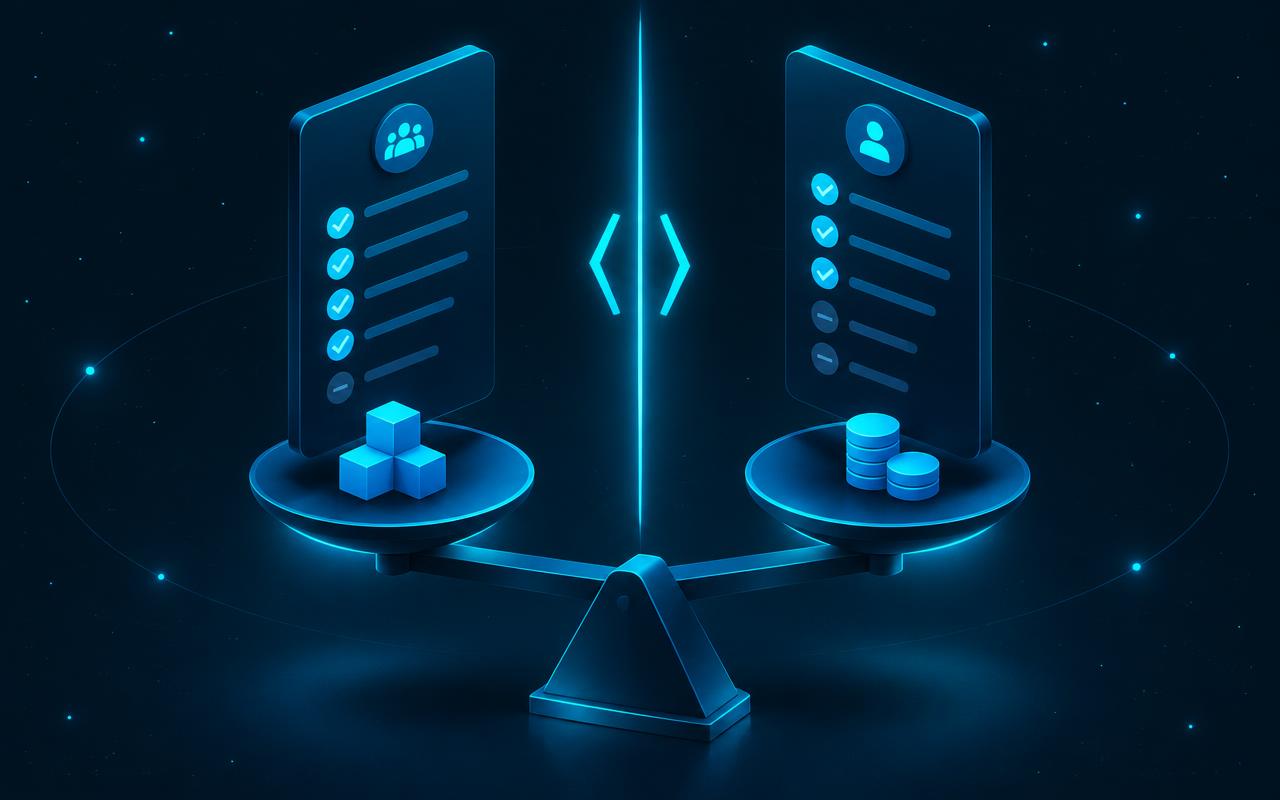
The clearest split is between two models: the early-career academy model and the senior-specialist pod model. Here is how they compare.
| What to compare | Early-career academy model | Senior-specialist pod model |
|---|---|---|
| Who makes first contact | Early-career reps trained in a bootcamp | Specialists with 4-6 years experience minimum |
| Team structure | A staffed rep or team of reps | Five specialists split by channel as one pod |
| End value | The option to hire the rep later | Every list, script, sequence, recording, and playbook |
| Reach | 30+ languages across many regions | North America focused |
| Scope | Outbound plus recruiting, training, marketing | Outbound only |
BizDev Labs runs outbound for 250 B2B companies. It installs five senior specialists as one pod: a GTM engineer, a strategist, and dedicated email, LinkedIn, and cold-calling specialists. No juniors make first contact. Weigh that senior-specialist structure against the academy approach before you decide.
Frequently asked questions
What does memoryBlue do? memoryBlue provides outsourced SDR and BDR teams that run multi-touch outreach to book qualified sales meetings for B2B technology companies.
Who owns memoryBlue? memoryBlue is private-equity backed by Avesi Partners, and it acquired UK-based Operatix in 2023.
How much does memoryBlue cost? memoryBlue does not publish set pricing. Each engagement is scoped custom by the number of SDRs, territories, languages, and whether you need full- or partial-cycle support.
How much does memoryBlue pay its SDRs? As of 2026, memoryBlue holds a 3.4 out of 5 rating on Glassdoor from 989 reviews, with compensation rated 2.4 out of 5 and 64% of reviewers recommending the company.
Who are memoryBlue's competitors? Common alternatives include CIENCE, Belkins, Martal Group, and SalesRoads, along with in-house teams and senior-specialist pods like BizDev Labs.
Is memoryBlue a good company? memoryBlue is a mature, global firm with 20+ years in outbound. Its Glassdoor reviews show mixed sentiment on pay, so weigh it against your priorities.
Conclusion: choosing the right outbound partner
memoryBlue is a mature, global outsourced SDR firm built on an academy model and deep language coverage, with recruiting and training bundled alongside its marketing. It fits buyers who want scale and the option to hire reps themselves.
The right choice comes down to two questions: how senior the reps are, and what you keep when the engagement ends, scope included. Run your own numbers on cost per qualified meeting for each model before you decide.
Want to compare those numbers against a senior-specialist pod? You can book a strategy call and put both models side by side.
Not ready for a call? See what's broken first.
Answer 30 questions and see where your outbound motion is breaking.
Book more qualified meetings, starting in 14 days
Five specialists across strategy, lists, email, cold calling and LinkedIn, running your outbound end to end.
Related articles

Strategy
My SDR Is Not Performing: How to Diagnose It Before You Replace ThemSep 28, 2026 · 9 min read
Cold Calling
What Is a Cold Calling Agency? What They Do, What They Cost (2026)Sep 28, 2026 · 8 min readStrategy
The 50 Outbound Signals Playbook: How Top SaaS Teams Turn Buying Intent Into PipelineSep 26, 2026 · 8 min read