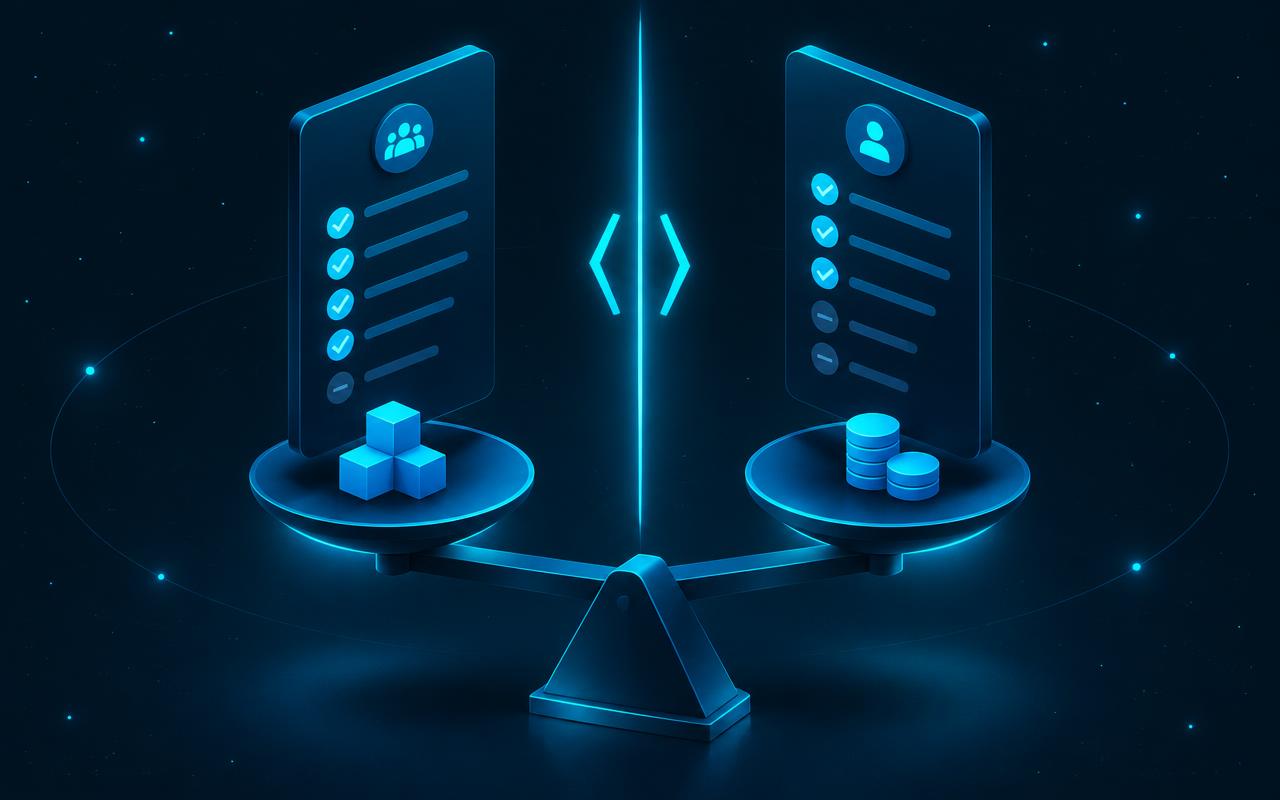
Weighing memoryBlue against BizDev Labs? The core difference comes down to one question: do you want a rep who's learning the job, or a team that's already mastered it?
memoryBlue's whole identity is the training ground: junior SDRs cutting their teeth before graduating into closing roles elsewhere, with a huge alumni network as the brag. It's a real strength for building sales talent industry-wide. It's a real weakness when you need experienced reps handling enterprise accounts on day one, because you're effectively paying to train someone else's future AE.
We were founded by Roy Itzhaki (Forbes 30 Under 30) and JP Malherbe, two operators who have booked, closed, and rebuilt outbound engines from the ground up. That experience shapes the whole model: our mission is to redefine the BDR role as a lifelong career and to build the most tenured, highest-performing outbound team on the market. A rotating bench of trainees optimizes for memoryBlue's talent pipeline. A tenured team optimizes for your pipeline.
BizDev Labs vs. memoryBlue comparison
| memoryBlue | BizDev Labs | |
|---|---|---|
| Core identity | Training ground for junior SDRs | Tenured outbound specialists |
| Best fit | Companies willing to train reps | Companies needing experienced reps on day one |
| Team structure | Junior SDRs, often rotating | Pit-Crew Teams of specialists per channel |
| Founder/operators | Agency founders | Roy Itzhaki (Forbes 30U30), JP Malherbe |
| Career model | Stepping stone to closing roles | BDR as a lifelong career |
| Compensation | Often per-booked meeting | Team-based, aligned to pipeline growth |
| Account ownership | Single rep learning the account | Specialist team, no account handled by a junior alone |
| Experience on day one | Variable | Senior specialists only |
Incentive structure matters
The incentive structure reinforces it. Junior-heavy, high-turnover models tend to pay per booked meeting, which rewards volume over fit. We also compensate as a team rather than in individual silos, so everyone is aligned around one goal: pipeline growth, not meeting count on a scoreboard.
We deliver through Pit-Crew Teams: small groups of specialists, not a single junior rep juggling your whole account while they learn the ropes.
The bottom line
memoryBlue trains the next generation of sales talent. BizDev Labs deploys the team that's already arrived.
Curious what a tenured Pit-Crew Team could do for your pipeline? Book a call and we'll show you the model in action.
Not ready for a call? See what's broken first.
Answer 30 questions and see where your outbound motion is breaking.
Book more qualified meetings, starting in 14 days
Five specialists across strategy, lists, email, cold calling and LinkedIn, running your outbound end to end.
Related articles
Strategy
My SDR Is Not Performing: How to Diagnose It Before You Replace ThemSep 28, 2026 · 9 min read
Cold Calling
What Is a Cold Calling Agency? What They Do, What They Cost (2026)Sep 28, 2026 · 8 min readStrategy
The 50 Outbound Signals Playbook: How Top SaaS Teams Turn Buying Intent Into PipelineSep 26, 2026 · 8 min read